Stylish Cowboy Hat Embroidery Design Review for Craft Fair Success
First Impressions: A Cheerful and Trendy Statement
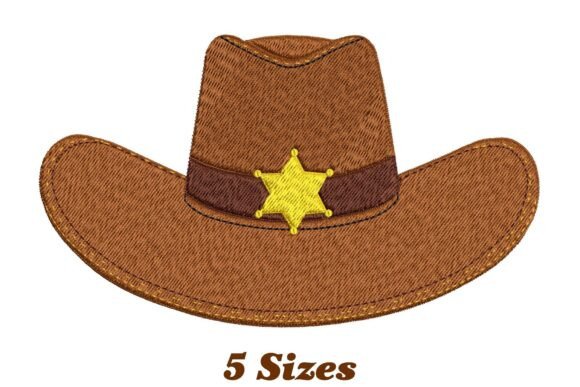
The Stylish Cowboy Hat embroidery design immediately catches the eye with its cheerful, artistic flair. It strikes a balance between whimsical and trendy, making it versatile enough to fit into various themes—be it farmhouse, rustic, or modern western. The description promises a “dash of character,” and upon first glance, that promise feels fulfilled. This design is not overly bold but has enough presence to stand out on a variety of fabrics. Its soft yet decorative nature makes it feel premium without being too flashy.How Stylish Cowboy Hat Works on Different Products
When considering where to place the Stylish Cowboy Hat, several products come to mind:- Tote Bags: Perfect for showcasing the design in a functional and reusable way. A medium-sized placement on the front corner or center adds charm without overwhelming the bag.
- Aprons: Especially great for kitchen aprons. Placing the hat near the pocket area gives a focal point that's both cute and clever for themed events like fall markets or western-themed fairs.
- Tea Towels: Ideal for adding farmhouse flair. The design looks best when placed off-center, giving a lived-in, cozy vibe that appeals to home decor buyers.
- Embroidered Patches: A smaller version works well here. It can be sewn onto denim jackets, backpacks, or even repurposed leather bags for a subtle, stylish accent.
- Fabric Pouches: The hat’s playful shape complements small, gift-ready pouches. Use it as a central motif for a quick and eye-catching product.
- Pillow Covers: With the right fabric choice, the cowboy hat becomes a decorative element that brings warmth and texture to a booth display.
- Caps and Hats: Naturally fitting on a hat! Curved surfaces may require some adjustment in spacing and stitch density to avoid distortion, but the design adapts well if properly tested.
Practical Selling and Production Considerations
From a production standpoint, the Stylish Cowboy Hat performs well on a range of materials, though there are a few things to keep in mind:Visibility at a Glance: The design is easily recognizable and has a clear silhouette, which means it doesn’t need much explanation. Customers will pick up on the theme quickly, especially if you're marketing around western, country, or autumn motifs.
Size Flexibility: Whether used as a large focal point or a small accent, this design adapts well. On larger items like tote bags or pillow covers, a bigger size enhances the impact. For patches or caps, a more compact version still retains its charm.
Photography for Etsy Listings: The cowboy hat photographs beautifully, especially against lighter-colored backdrops. Its clean lines and soft curves make it easy to highlight in product shots, ensuring your listings pop online. If selling at physical craft fairs, consider using a mix of white, beige, and earth-toned backgrounds to show versatility.
Batch Production Potential: Thanks to its clarity and adaptability, this design is repeatable and efficient for batch production. You can confidently run multiple units through your machine with consistent results, provided you use proper stabilizers and hoop sizes.
Use with Care: Key Notes for Best Results
While the Stylish Cowboy Hat is adaptable, it does have some nuances that should be considered during production:- Dense Stitch Areas: Be mindful of areas with tighter stitching. These may require extra stabilizer to prevent puckering, especially on stretchy or thin fabrics.
- Tiny Details: The hat features delicate elements that could get lost on very coarse or textured towels. Always test on similar materials before mass-producing.
- Small Lettering (if applicable): If the design includes any lettering, ensure thread colors provide enough contrast so it remains legible in all lighting conditions.
- Thick Fabric & Textured Towels: The design might lose some definition on heavy canvas or highly textured materials. Opt for smoother cotton or linen blends for the best outcome.
- Curved Surfaces: When embroidering on curved cap surfaces, adjust the design layout carefully to maintain symmetry and clarity.
- Dark Fabric: Thread colors may appear muted on darker backgrounds. Choose brighter or metallic threads for visibility.
- Smaller Sizes: At very small sizes, the design might become less distinct. Test on different scales to find the sweet spot for each product type.
Boosting Visual Appeal and Customer Engagement
Incorporating the Stylish Cowboy Hat into your booth display can significantly enhance visual appeal. The design naturally draws attention, particularly in environments where customers are looking for unique, hand-stitched items. Its cheerful and artistic nature aligns well with the aesthetic of many craft fairs and handmade markets, where shoppers seek products that reflect their personal style. As an embroidery business owner, I’ve found that designs like this allow for brand consistency. If your shop leans towards western or farmhouse themes, the Stylish Cowboy Hat can serve as a signature motif across multiple product categories, helping to reinforce your brand identity.Design Tips for Maximum Impact
To ensure the Stylish Cowboy Hat shines on your finished products, follow these practical steps:- Test on Scrap Fabric: Before moving into full production, always stitch the design on scrap material that matches your intended product fabric.
- Check Thread Contrast: Ensure the chosen thread colors stand out against the fabric base. Sometimes what looks good on screen appears washed out in real life.
- Review Spacing and Layout: Adjust the placement according to the product dimensions. Leaving adequate space around the design improves aesthetics and prevents overcrowding.
- Confirm Hoop Size: Though no specific hoop size is mentioned, always confirm that your hoop accommodates the design comfortably to avoid stretching or shifting.
- Inspect Stitch Density: Dense areas may require additional backing or tear-away stabilizer. Don’t skip this step—it affects the final look and durability.
- Use the Right Stabilizer: Depending on the fabric, choose appropriate stabilizers such as cutaway or tear-away to support the design during and after stitching.
- Create a Real Mockup: A physical sample helps you see how the design behaves on actual products. Use it for testing and also as a booth sample.
- Compare Fabric Colors: Different shades react differently to embroidery. Try the design on at least three fabric colors to gauge its versatility.
- Confirm Commercial Licensing: Make sure the digital embroidery file comes with the correct commercial license terms before turning it into craft fair products.