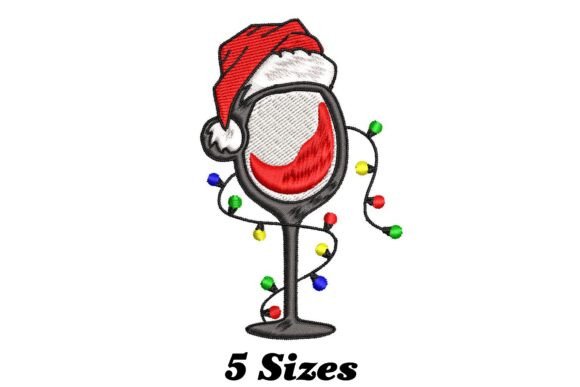
Lighting Wine Glass Christmas Embroidery Design Review
As an experienced embroidery designer and product reviewer, I always approach a new design with a critical eye. The Lighting Wine Glass Christmas embroidery file caught my attention for its thematic appeal and potential in holiday-themed projects. In this review, I’ll walk you through how it looks on fabric, how it behaves during stitching, and where it shines—or might fall short—in real-world applications.
First Impressions: Festive Yet Elegant
The Lighting Wine Glass Christmas design immediately gives off a warm, celebratory vibe. It’s a stylized wine glass with subtle festive elements—think snowflakes or maybe a small star at the top. The layout is balanced, and the details are just enough to make it noticeable without overwhelming the eye. This kind of design is ideal for those looking to add a refined touch of holiday spirit to their handmade products.
I found the visual personality of the design to be very versatile. It doesn’t scream “Christmas!” like some bold motifs do, which makes it suitable for more mature audiences or those who prefer understated elegance. It also has a classic feel that could easily transition into other seasonal themes if modified slightly.
Stitch Layout and Detail Level
Looking closer, the design uses a mix of satin stitch for outlining the glass and fill stitch for adding texture or background elements. The lines are smooth and consistent, and the inner detailing suggests thoughtful placement. There aren’t any overly tiny letterings or intricate patterns that might cause issues when stitched, but there are enough decorative accents to make the piece visually engaging.
If you’re considering using this as part of a larger embroidered patch or holiday gift label, the clean structure works well. However, if your project involves textured fabrics or curved surfaces like caps, the detail may not hold up as expected unless you adjust the stitch density and stabilize properly.
Custom Apparel Projects
I tested the Lighting Wine Glass Christmas design on a few different custom apparel items. On a cotton sweatshirt, the design came out beautifully with vibrant thread colors and clear outlines. For t-shirts, especially those with stretchy blends, I recommend using a stabilizer underneath to keep the shape from distorting during the embroidery process.
When applied to a tote bag made of woven cotton, the result was impressive. The design didn’t lose its clarity despite the large hoop size, and the finished product had a professional look that would appeal to customers looking for personalized gifts or boutique-style merchandise.
Home Décor and Kitchen Linens
This design really comes alive on home décor items. I used it on a tea towel and a pillow cover, and both turned out charming. The satin-stitched glass gave a nice sheen against the white linen, while the fill stitch details added depth. These kinds of pieces are perfect for Etsy sellers or craft fairs aiming to offer unique holiday-themed items.
For kitchen linens like aprons or pot holders, the Lighting Wine Glass Christmas motif adds a sophisticated flair. Just ensure the fabric is sturdy and pre-washed, as frequent use and washing can affect the integrity of the stitches over time.
Baby and Personalized Items
I considered applying the design to baby clothes, but the theme felt too adult for that demographic. That said, it could work nicely on a nursery décor item like a wall hanging or table runner. As a general rule, avoid placing such designs on dark fabric for baby items, as the contrast won’t highlight the delicate features as effectively.
Where to Use With Caution
- Small Hoop Sizes: The design is best suited for medium to large hoops. If you try to scale it down for something like a hat or a small patch, key elements might become lost or distorted.
- Stretchy Fabrics: Stretchy materials like jersey knit will require careful handling. Without proper stabilizer, the design could pucker or skew after stitching.
- Thin or Delicate Fabrics: While possible, thin fabrics like silk or organza might not support the weight of the embroidery, leading to visible puckering or damage.
- Dark Fabric Backgrounds: Thread color contrast is essential here. Unless you choose light-colored threads or reverse the design (like using a black and white mockup), it may not stand out as intended.
- Curved Surfaces: Patches placed on curved areas like caps or bags need extra stabilization and possibly some manual adjustments for optimal results.
Design Integrity and Customer Perception
In terms of visual appeal, the Lighting Wine Glass Christmas design scores high. It feels handcrafted yet machine-precise, which is exactly what many crafters and small business owners want for their handmade product lines. Customers tend to appreciate designs that are clear and maintain their quality after being stitched.
What’s interesting is how this design elevates the product value. A simple tote bag or pillow cover becomes a premium item with the right embroidery. That’s a big plus for Etsy sellers and small shop products, as it helps justify higher price points and increases buyer engagement.
Practical Designer Notes
- Test on Scrap Fabric First: Before committing to a client project or batch of handmade gifts, stitch the design onto scrap fabric to see how it reacts to your machine and chosen materials.
- Check Thread Color Contrast: Especially if you're using it on darker fabrics, make sure the thread colors pop. Sometimes a slight change in color palette can make all the difference.
- Review Stitch Density: Dense areas may need lighter coverage to prevent bulkiness. Test with varying densities to find the sweet spot between visibility and comfort.
- Confirm Hoop Size: Always check the recommended hoop size. If not specified, go with a minimum of 6x8 inches to preserve detail integrity.
- Inspect Small Details: Look closely at the inner parts of the glass and any supporting elements. Ensure they don’t break apart when stitched, especially on thin materials.
- Use Proper Stabilizer: A tear-away or cut-away stabilizer is usually necessary for stretchy or lightweight fabrics. Don’t skip this step—it can save your project from disaster.
- Test Black and White Mockups: This helps you visualize how the design will appear on different colored backgrounds before finalizing your thread choices.
- Compare Light and Dark Fabrics: The same design can look drastically different depending on the base fabric. Always consider how it will translate across multiple options.
- Check Licensing Before Selling: If you plan to sell finished products or digital files, confirm whether the design allows commercial use. This is crucial for craft businesses and digital product sellers.
Commercial and Branding Potential
From a commercial embroidery perspective, the Lighting Wine Glass Christmas design could serve as a solid asset for seasonal collections. Its elegant presentation aligns well with upscale handmade shop branding or curated design assets for digital resale.
It’s also a great fit for personalized gifts or holiday embroidery bundles. Think about pairing it with names or dates in a complementary font to create custom monogrammed holiday items. This kind of customization is highly valued by buyers and can increase the perceived giftability of your products.
Final Thoughts
Overall, the Lighting Wine Glass Christmas embroidery design is a strong candidate for a variety of embroidery projects, particularly those leaning toward sophistication and holiday charm. Whether you’re preparing a custom sweatshirt embroidery piece or enhancing a line of holiday gifts, this design brings a sense of refinement that’s hard to ignore.
However, like any embroidery file, it needs to be approached with care. Pay attention to the fabric type, hoop size, and stabilizer usage. These factors will determine how well the design translates from screen to stitch. And always remember to test it first—especially when creating printable mockups or digital product previews for clients or online listings.
With the right preparation, this design can enhance your finished product and contribute to a stronger brand identity. It’s a reliable addition to your collection of machine embroidery designs, especially around the holidays. But for year-round use, you might consider tweaking the motif to suit non-seasonal themes.
So, if you’re an embroidery designer, a creative entrepreneur, or someone running a craft business, give this one a try—but stitch smart, and always aim for the best possible outcome for your customers.